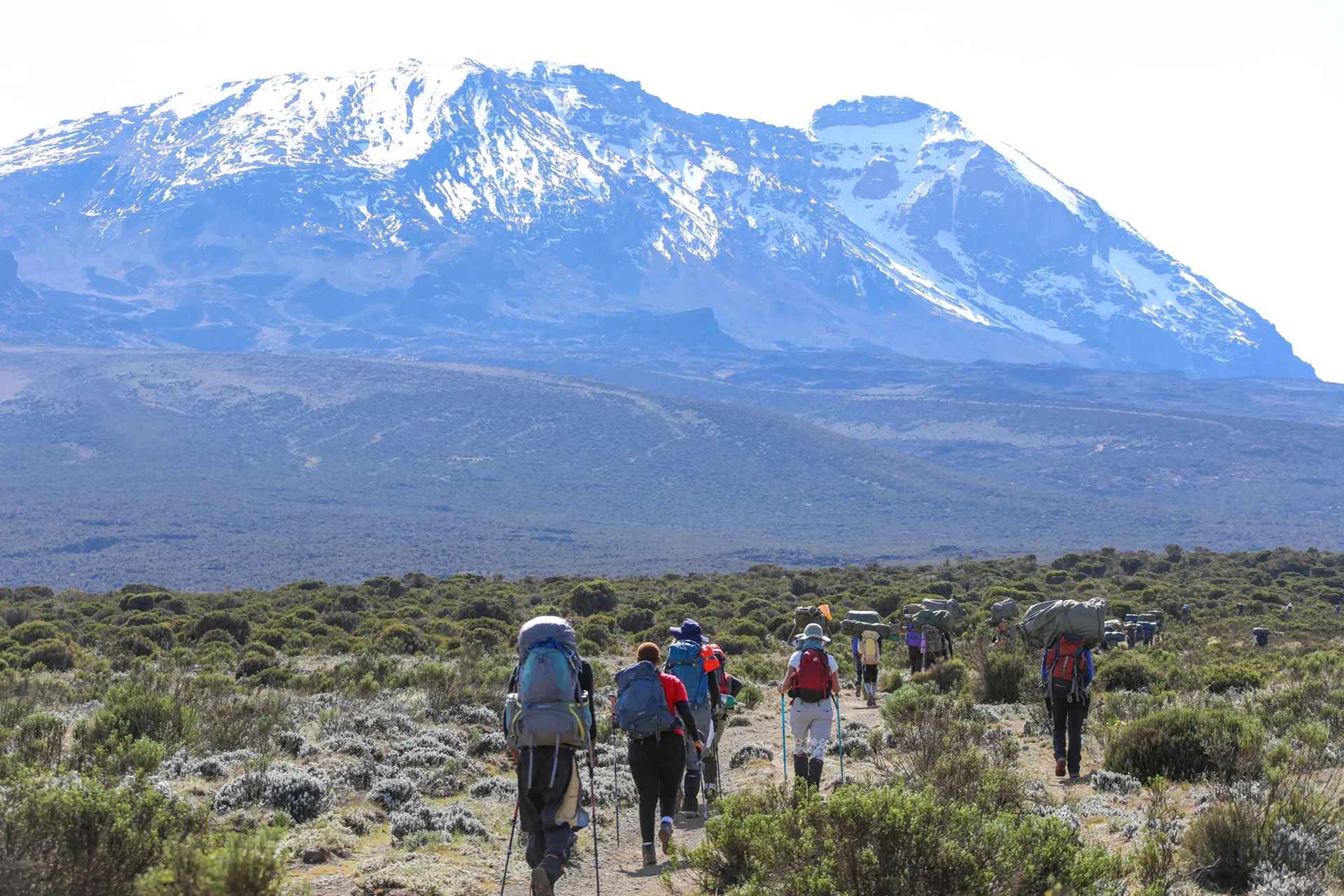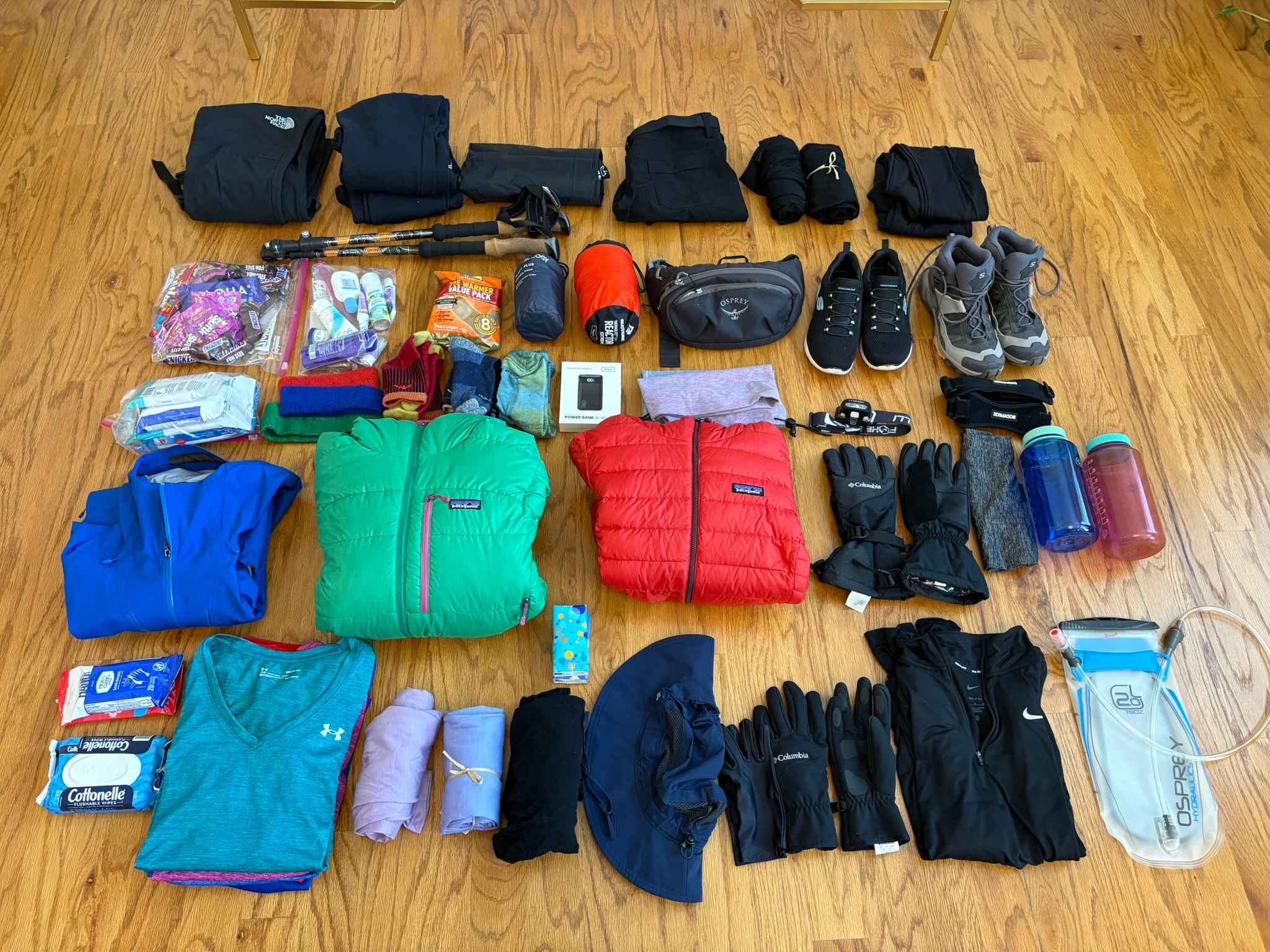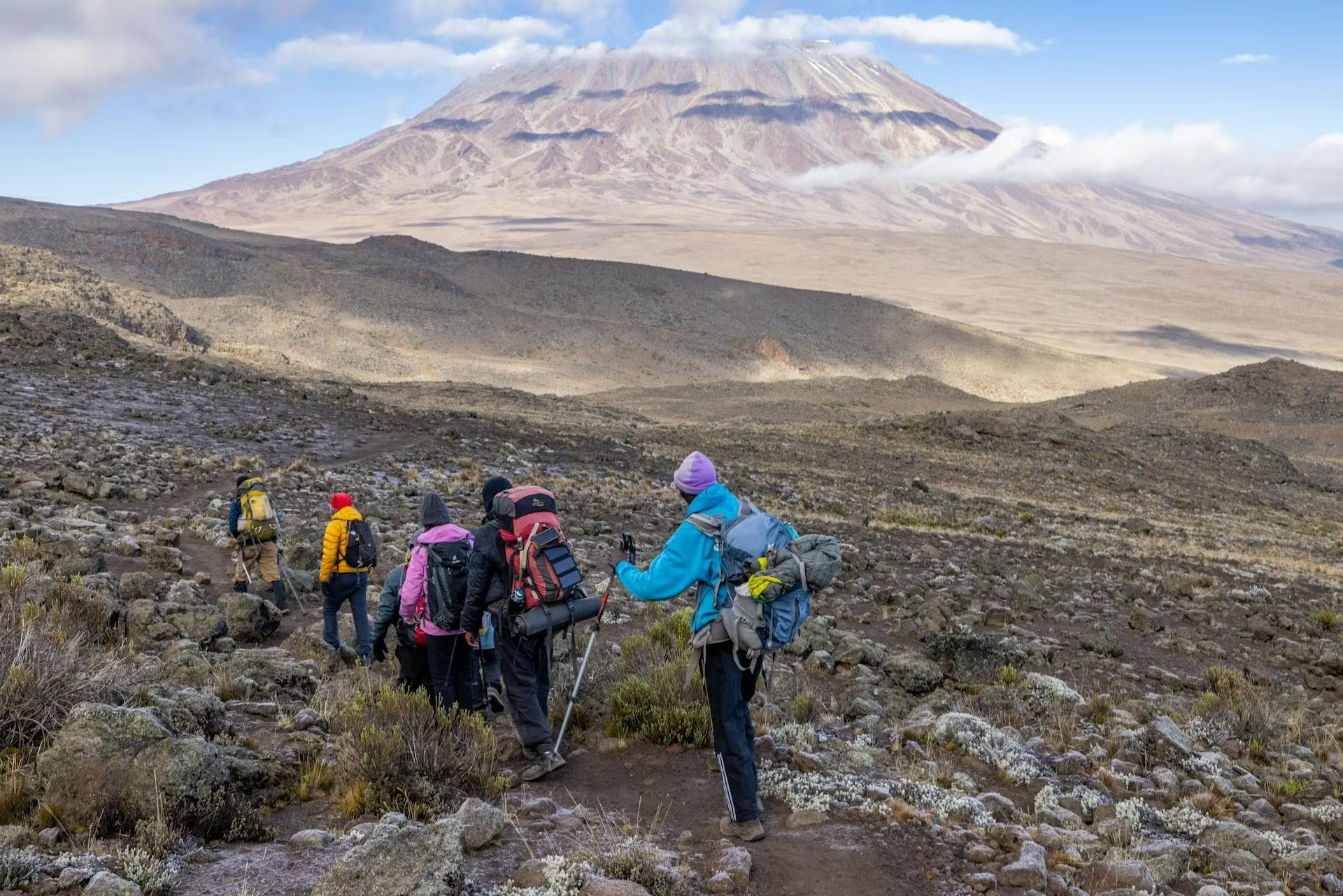

Climbing Mount Kilimanjaro is an exciting and physically demanding adventure that requires careful attention to nutrition and hydration. Every step toward Uhuru Peak depends not only on fitness and acclimatization, but also on how well your body is fueled throughout the journey.
At Exceptional Voyage, we understand that proper nutrition is one of the key factors that influence energy levels, recovery, and summit success. That is why meals on Kilimanjaro are carefully planned to provide balanced energy, support altitude adaptation, and keep climbers strong from the rainforest to the icy summit zone.
Importance of Nutrition on Kilimanjaro
Food on Kilimanjaro is not just about eating—it is about fueling your body for endurance. As you ascend through different altitude zones, your body burns more energy while oxygen levels decrease. This makes it essential to consume nutrient-rich meals that provide long-lasting energy and support muscle recovery.
A well-balanced diet during the climb helps reduce fatigue, improves acclimatization, and increases your chances of reaching the summit successfully.
What Climbers Eat on Kilimanjaro
Meals on Kilimanjaro are designed to be nutritious, energy-rich, and easy to digest at high altitude. With Exceptional Voyage, climbers can expect freshly prepared meals cooked by experienced mountain chefs who understand the demands of trekking conditions.

Breakfast on the Mountain
Each morning begins with a warm, energy-packed breakfast that prepares climbers for long hours of trekking. Breakfast typically includes foods that provide slow-releasing energy such as porridge or oats, eggs for protein, and bread or pancakes for carbohydrates.
Fresh fruits like bananas and oranges are often served to provide vitamins and natural sugars, while hot drinks such as tea, coffee, or hot chocolate help warm the body in the cool mountain air. This combination ensures climbers start the day energized and ready for the challenge ahead.
Lunch During the Trek
Lunch on Kilimanjaro is usually served at scenic resting points along the trail. It is designed to be light yet energizing, helping climbers refuel without feeling too heavy for continued trekking.
Typical lunch options include sandwiches or wraps with fillings such as chicken, tuna, or eggs, combined with fresh vegetables. Climbers are also provided with fruits, nuts, biscuits, and energy snacks to maintain stamina throughout the day. Water is always available to ensure proper hydration during the hike.
Dinner at Camp
Dinner is one of the most important and enjoyable meals of the day on Kilimanjaro. After a long day of trekking, climbers return to camp to enjoy warm, hearty, and restorative meals prepared by the mountain cook team.
Dinner usually includes soups, pasta dishes, rice, stews, lentils, and vegetables, along with bread or chapati. These meals are designed to restore energy, support muscle recovery, and keep the body warm during cold nights at high altitude. Light desserts such as fruit or popcorn may also be served.
Dinner is also a social moment where climbers relax, share experiences, and prepare mentally for the next day’s ascent.

Carbohydrates, Proteins, and Healthy Fats on Kilimanjaro
A successful Kilimanjaro diet is built on balance. Carbohydrates provide the main source of energy for long trekking hours, with foods like rice, pasta, potatoes, oats, and bread playing an important role in daily meals.
Proteins are essential for muscle repair and recovery, especially after physically demanding climbs. Chicken, eggs, beans, lentils, and fish are commonly included in meal plans to support strength and endurance.
Healthy fats, although consumed in smaller amounts, help provide long-lasting energy. Nuts, seeds, avocados, and olive oil are often included in meals to support overall nutrition and satiety.
Hydration on Kilimanjaro
Staying hydrated is one of the most critical factors for a safe and successful climb. Climbers are encouraged to drink at least 3 to 4 liters of water per day to prevent dehydration and reduce the risk of altitude-related illness.
Water is carried and treated by the mountain team to ensure safety, and climbers are regularly encouraged to drink throughout the day rather than waiting until they feel thirsty.
Warm drinks such as tea and soup are especially helpful at higher altitudes, as they help maintain body temperature and improve comfort in cold conditions.
Electrolytes may also be added to water to help replace minerals lost through sweating and physical exertion.

Snacks and Extra Energy on the Trail
In addition to main meals, climbers are encouraged to carry light snacks that provide quick energy boosts during trekking hours. Useful options include energy bars, nuts, dried fruits, chocolate, and biscuits.
These snacks are especially helpful during long ascents when quick energy replenishment is needed between meal stops.
Special Dietary Requirements
Exceptional Voyage takes dietary needs seriously. Climbers with food allergies, vegetarian preferences, or other dietary restrictions can be fully accommodated when communicated in advance.
Meal plans can be adjusted to ensure every climber receives safe, enjoyable, and nutritious food throughout the expedition.
Preparation Before Your Climb
Good nutrition begins even before arriving on the mountain. Climbers are encouraged to maintain a balanced diet rich in carbohydrates, proteins, and healthy fats in the weeks leading up to the expedition.

This helps build energy reserves and prepares the body for the physical demands of high-altitude trekking.
Recovery After the Climb
After reaching the summit and descending from Mount Kilimanjaro, recovery meals are important for restoring energy and hydration. A balanced meal rich in carbohydrates and protein, combined with plenty of fluids, helps the body recover from the intense physical effort of the climb.
Experience Kilimanjaro with Exceptional Voyage
At Exceptional Voyage, every aspect of your Kilimanjaro journey—including nutrition and hydration—is carefully planned to support your success. From nourishing meals on the trail to expert mountain guidance, we help climbers stay strong, energized, and fully supported from start to summit.
Your journey to the Roof of Africa is not just about reaching the top—it is about staying healthy, strong, and well-fueled every step of the way.